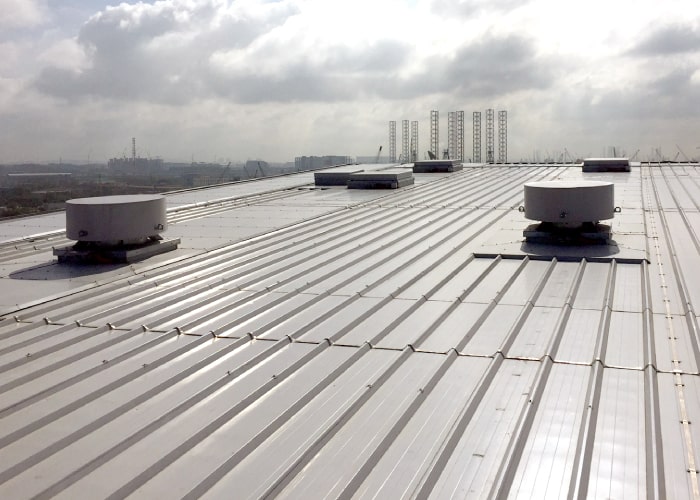
Completed: 01/2017
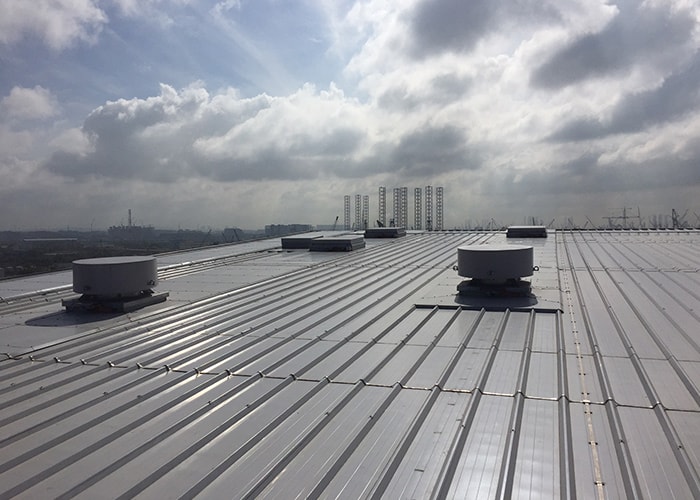
Completed: 01/2017

the standard for modern buildings
Committed to the highest standards in smoke ventilation technology, INNIVATE works with Powrmatic, a leading accredited UK ventilation manufacturer with over 75 years’ experience, for a wide range of highly efficient, innovative and cost-effective natural and powered smoke ventilation systems

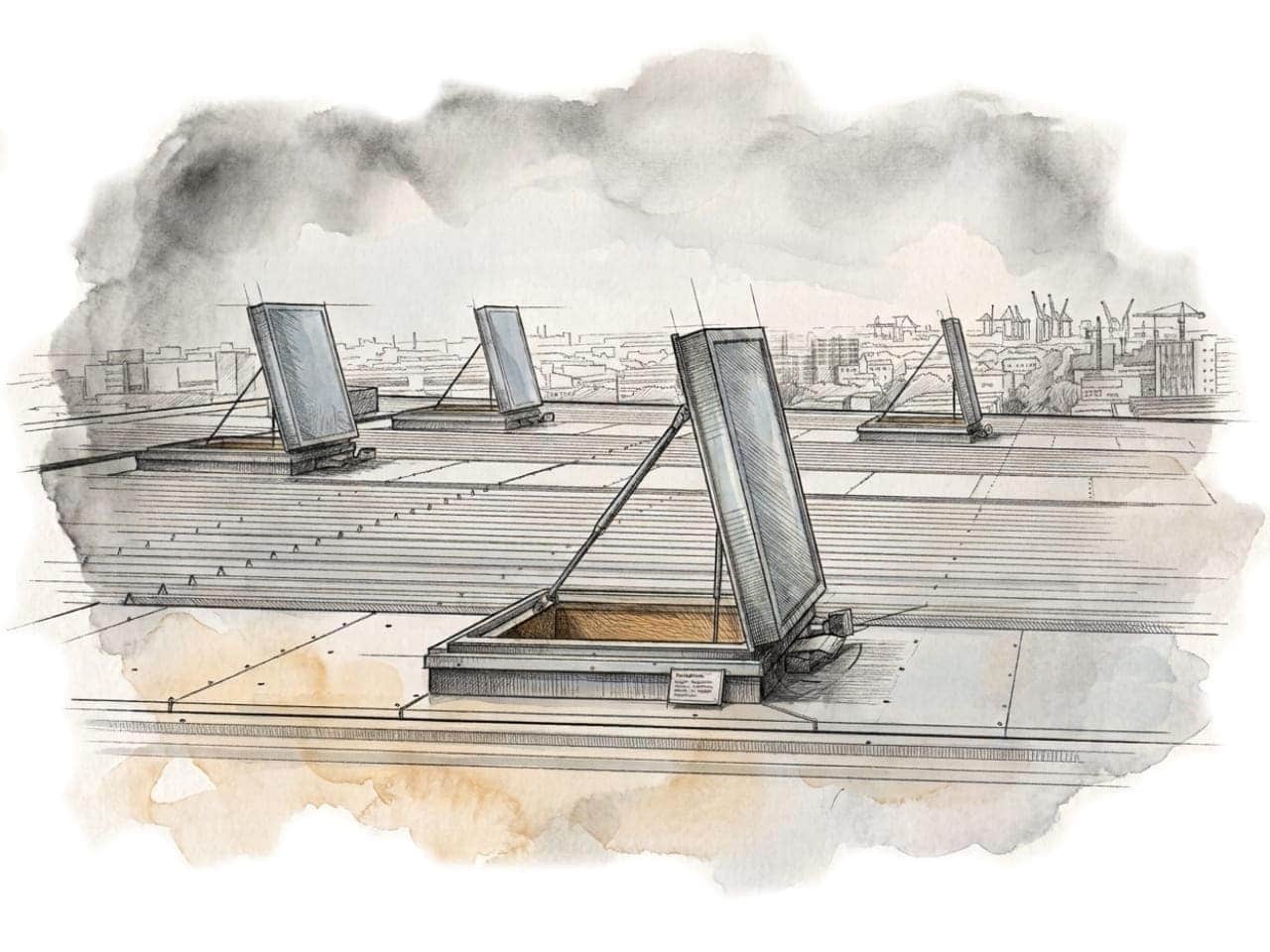
Committed to the highest standards in smoke ventilation technology, INNIVATE works with Powrmatic, a leading accredited UK ventilation manufacturer with over 75 years’ experience, for a wide range of highly efficient, innovative and cost-effective natural and powered smoke ventilation systems

Smoke ventilation systems are a critical component of a building safety strategy. Engineered to manage smoke and toxic gases during a fire, these systems keep escape routes clear, improve visibility for emergency services, and prevent the dangerous buildup of heat within a structure.
As the core engine of these systems, mechanical and natural extraction units actively manage pressure differentials and direct thermal air currents out through designated exhaust paths.
Through INNIVATE’s range of smoke ventilation systems, architects have access to industry-leading options for smoke and heat exhaust ventilators designed to meet strict safety and compliance standards while preserving overall building aesthetics.
Smoke ventilation systems are designed to integrate seamlessly into diverse building designs. Depending on the architectural layout and fire safety strategy, smoke vents are installed across key building zones to control smoke movement and protect critical escape routes.
| BUILDING APPLICATION & PRIMARY VENT LOCATION | KEY VENTILATION OBJECTIVE |
|---|---|
| Atriums and Large Open Spaces
High-level roof louvers / Glazed skylight vents |
Rapidly evacuates high-volume smoke reservoirs before smoke spreads laterally into occupied floors. |
| Stairwells and Escape Routes
Top-of-shaft automatic opening vents (AOVs) |
Keeps vertical escape routes clear of smoke pressure to allow safe, multi-story evacuation. |
| Industrial and Warehousing
Continuous roof ridge vents or wall louvers |
Prevents heat accumulation across vast floor plates, protecting inventory and structural framing. |
| Commercial Corridors
High-level facade vents / Shaft dampers |
Clears toxic smoke from horizontal circulation zones serving multiple tenant spaces. |
There are primarily two types of smoke vents: mechanical smoke vents and natural smoke vents. Each type operates differently and has its own set of advantages and limitations.
| MECHANICAL SMOKE VENTS | NATURAL SMOKE VENTS |
|---|---|
| Advantages | |
|
|
| Limitations | |
|
|
| Types | |
Fan-Powered Vents
|
Thermal Exhaust Vents
|
PAST PROJECTS WITH INNIVATE
Completed: 01/2017
Completed: 01/2017
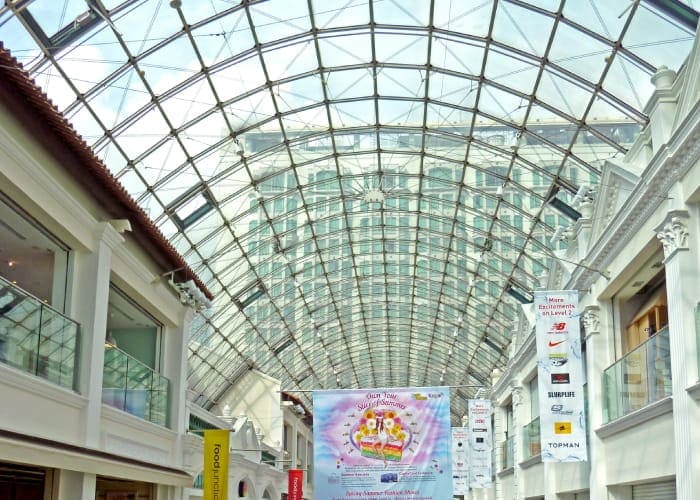
Completed: 1995
Completed: 1995
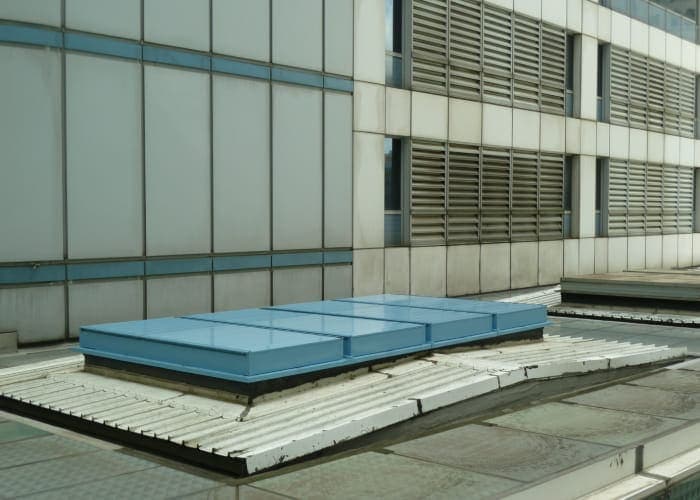
Completed: 2015
Completed: 2015
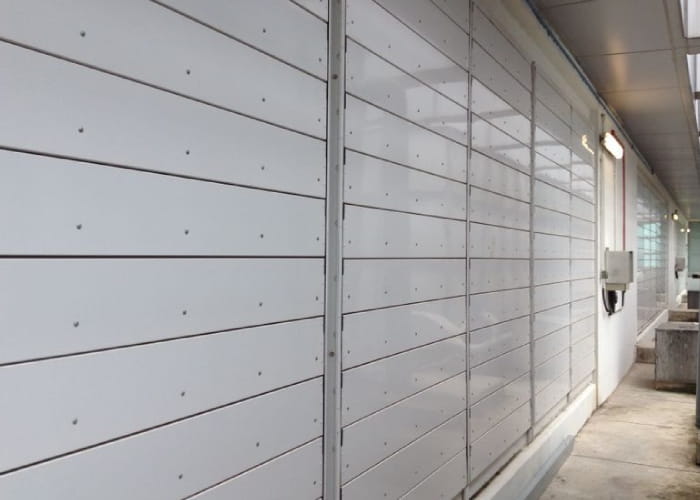
Completed: 06/2000
Completed: 06/2000

“From protecting means of escape and boundary protection to providing a building with a system that provides a building with effective compartmentation, INNIVATE’s wide range of fire and smoke curtains protect every type of application from fire.
Sourced from the market leader in this technology, the range is complemented by Smoke and Heat exhaust ventilator systems, from all metal to glazed ventilators.”
Paul Paffett, LEED AP BD+C
Managing Director, INNIVATE Pte Ltd